300W LED Zebra Crossing Projector: 5 Tips to Boost Work Efficiency After Dark
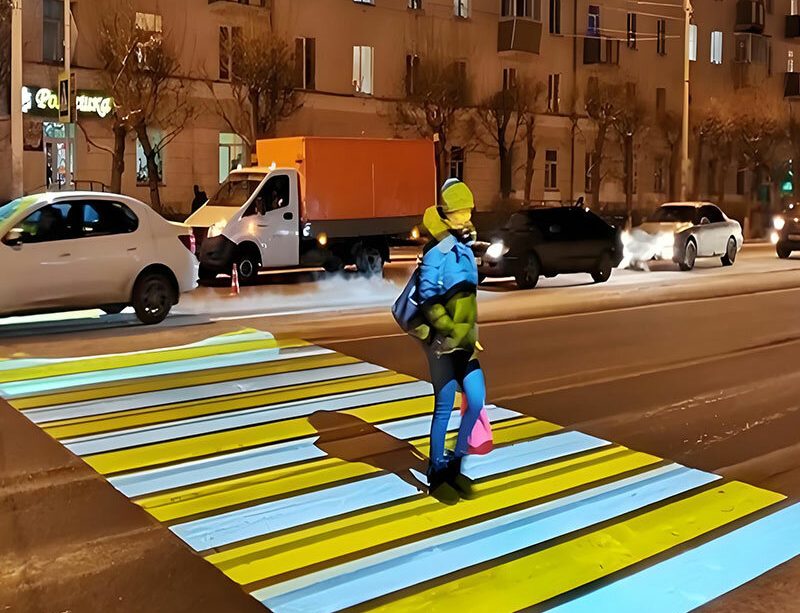
Nighttime road safety and traffic management often mean longer setup times and repeated checks for on-site teams. The 300W LED Zebra Crossing Projector— a game-changer in pedestrian crossing projection lamp technology—cuts through these inefficiencies, turning 30-minute setups into 5-minute tasks. As a leading solution alongside reliable road zebra projection light models, it’s redefining how teams handle after-hours crossing management. Below are 5 practical tips from field experts to maximize its efficiency.
1. Pre-Calibrate Projection Angles for Instant Setup
The biggest time-waster with traditional road zebra projection light models is adjusting angles on-site. For the 300W LED Zebra Crossing Projector, pre-calibrate based on your most frequent locations. Use a tape measure to note the distance from the mounting point to the crossing area, then set the angle in your workshop.
“We handle 4 construction zones nightly,” says Jake Miller, a traffic management supervisor. “We pre-set angles for each site’s dimensions, so when we arrive, we just mount the projector and turn it on. No more kneeling in the dark to tweak settings—setup time dropped by 70%.”
2. Use Quick-Release Mounts for Multi-Site Moves
Teams covering multiple locations waste hours on disassembly. Swap the standard mount for a quick-release bracket designed for pedestrian crossing projection lamp use. The 300W projector’s lightweight design (just 8kg) pairs perfectly with these brackets, letting you detach and reattach it in 60 seconds.
Miller adds: “We used to spend 20 minutes per site taking down old projectors. Now, with quick-release mounts, we move between 3 zones in the time it once took to handle one. The projector stays secure, even on windy nights.”
3. Pair with Solar Panels for Uninterrupted Use
Searching for power sources or replacing batteries eats into efficiency. Connect the 300W projector to a portable solar panel for off-grid sites like rural roadworks. It charges during the day and powers the projector all night, eliminating power-related delays.
“Our rural projects used to require generator runs every 4 hours,” explains Lisa Chen, a civil engineering coordinator. “Solar panels paired with the projector mean we set it up once at dusk and don’t return until morning. It’s more reliable than battery-powered road zebra projection light models too.”
4. Create Custom Gobo Slides for Specific Scenarios
Generic zebra stripes don’t fit every need—think school zones or emergency access routes. Order custom gobo slides for the 300W projector (e.g., “Slow: Children Present” or “Emergency Only”) and store them in a labeled case. Swapping slides takes 30 seconds, no tools needed.
“We handle school crossings and construction zones,” Chen says. “Custom slides let us adapt the projector to each site without extra equipment. It’s way more flexible than a one-function pedestrian crossing projection lamp.”
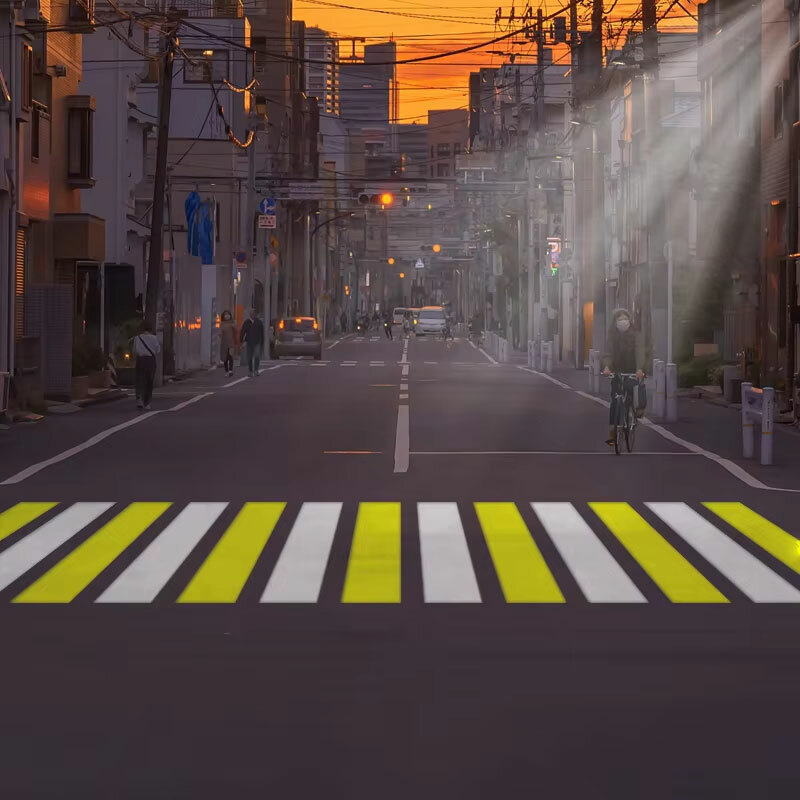
5. Set Up Group Controls for Multi-Projector Sites
For large areas with 3+ projectors, individual control wastes time. Use the projector’s built-in RF remote (range: 50m) to group units. One button turns all on/off or adjusts brightness, cutting check-in time by half.
The 300W LED Zebra Crossing Projector isn’t just a road zebra projection light—it’s an efficiency tool that slashes on-site hours while boosting safety. By pre-calibrating, using quick mounts, and leveraging custom features, teams turn nighttime management from a chore into a streamlined process.
To explore custom gobo slides or compatible accessories for your 300W LED Zebra Crossing Projector, visit Noparde’s Traffic Projection Hub for expert recommendations.