Why Self-Service Kiosks Are Becoming Essential for Brand Engagement and Efficiency
Introduction
As customer expectations continue to evolve, businesses are increasingly looking for ways to deliver faster, more convenient, and more engaging experiences. Across sectors such as retail, hospitality, healthcare, and transport, digital technology is becoming central to how brands interact with customers in physical environments. This is one of the key reasons why self-service kiosks are becoming an essential part of modern customer engagement strategies.
More than simply functional devices, self-service kiosks now act as interactive brand touchpoints that shape how customers perceive businesses. Companies such as Evoke Creative understand that successful kiosk solutions combine intuitive technology with thoughtful user experience design to improve both operational efficiency and customer satisfaction.
As digital interactions continue growing across physical spaces, self-service kiosks are playing an increasingly important role in delivering seamless and memorable customer experiences.
Changing Customer Expectations
Modern consumers expect convenience, speed, and simplicity in almost every interaction. Long queues, slow service, and inefficient processes can quickly affect customer satisfaction and influence perceptions of a brand.
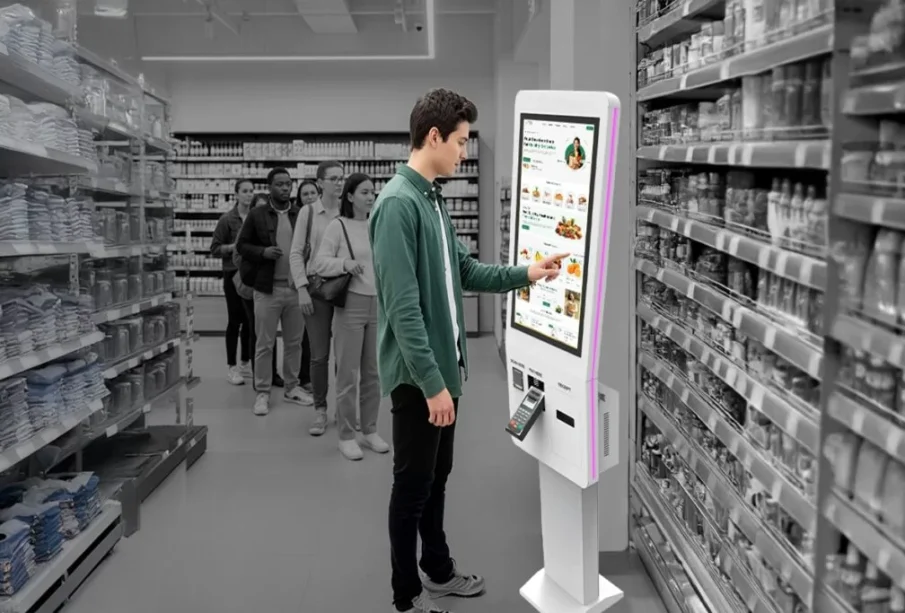
Self-service kiosks help businesses meet these expectations by enabling customers to complete tasks independently and efficiently. Whether ordering products, checking in, accessing information, or making payments, customers increasingly value the flexibility and control these systems provide.
Well-designed kiosk systems can help businesses:
- Reduce waiting times
- Improve transaction speed
- Increase customer convenience
- Support contactless interactions
- Create more efficient service environments
As customer behaviour continues shifting towards digital-first interactions, businesses that invest in intuitive kiosk experiences are often better positioned to meet evolving expectations.
Strengthening Brand Engagement
Digital kiosks are not simply operational tools; they are also powerful brand engagement platforms. Every interaction a customer has with a kiosk contributes to how they perceive the business behind it.
A well-designed kiosk interface can reinforce brand identity through:
- Consistent visual design
- Smooth and intuitive navigation
- Personalised user experiences
- Clear and engaging communication
- Fast and responsive interactions
When kiosk design aligns closely with a company’s wider branding and customer experience strategy, it creates stronger emotional connections with users.
For example, premium brands may focus on sleek, elegant interfaces that emphasise simplicity and quality, while fast-service businesses may prioritise speed and efficiency throughout the interaction process.
Companies such as Evoke Creative help businesses create kiosk experiences that reflect brand values while remaining highly functional and user-friendly.
Improving Operational Efficiency
One of the biggest advantages of self-service kiosks is their ability to improve operational efficiency across busy commercial environments.
By allowing customers to complete routine tasks independently, kiosks help reduce pressure on front-line staff and streamline service delivery. This allows employees to focus on more complex customer interactions while maintaining a smoother overall operational flow.
Self-service technology can support:
- Faster transaction processing
- Reduced staff workload
- Improved service consistency
- Lower queue congestion
- More efficient resource allocation
For businesses operating in high-footfall environments, these operational improvements can significantly enhance both productivity and customer experience.
Creating Consistency Across Customer Touchpoints
Consistency plays an important role in building customer trust and recognition. Businesses increasingly aim to provide seamless experiences across websites, mobile platforms, physical locations, and digital interfaces.
Self-service kiosks help maintain this consistency by extending brand identity into real-world interactions. Customers who encounter familiar design elements, navigation styles, and messaging across different channels are more likely to feel confident and comfortable engaging with the brand.
Consistent digital experiences also reinforce professionalism and strengthen long-term customer relationships.
When designed correctly, kiosks become a natural extension of the overall customer journey rather than a disconnected piece of technology.
Supporting Accessibility and User Experience
Good kiosk design must balance aesthetics with accessibility and usability. Businesses that overlook user behaviour or accessibility requirements risk creating frustrating experiences that discourage engagement.
Professional kiosk design focuses on making interactions intuitive, inclusive, and easy to navigate for a wide range of users.
Important considerations include:
- Clear interface layouts
- Readable typography
- Responsive touch interactions
- Accessible navigation features
- Logical user journeys
User-centred design helps ensure customers can complete tasks confidently and efficiently without unnecessary confusion or delays.
This level of usability is essential for maintaining positive brand perception and customer satisfaction.
Adapting to Modern Commercial Environments
As businesses continue to adopt digital transformation strategies, self-service kiosks are becoming increasingly adaptable across sectors and environments.
Retail businesses use kiosks for ordering and product browsing, healthcare providers use them for patient check-ins, and hospitality venues use them to improve guest experiences and reduce waiting times.
This flexibility makes self-service technology valuable across a broad range of customer-facing industries.
Modern kiosks also integrate with wider digital systems, allowing businesses to improve data collection, personalise experiences, and optimise operational performance more effectively.
Avoiding Poor User Experiences
While self-service kiosks offer significant advantages, poorly designed systems can cause frustration and harm customer perception.
Common problems often include:
- Slow or unresponsive interfaces
- Overcomplicated navigation
- Excessive on-screen information
- Poor accessibility design
- Inconsistent branding
Professional kiosk development helps businesses avoid these issues by combining technical performance with user-focused design principles.
This is where experienced companies such as Evoke Creative provide significant value, helping businesses create systems that are both operationally effective and highly engaging for users.
Conclusion
In today’s increasingly digital commercial landscape, self-service kiosks are becoming essential tools for improving customer engagement, operational efficiency, and overall brand experience.
By combining intuitive design with efficient functionality, businesses can create interactive environments that strengthen customer satisfaction while streamlining everyday operations. Self-service technology not only improves convenience but also helps brands maintain consistency, accessibility, and long-term customer trust.
With expertise in user-centred digital experiences, companies such as Evoke Creative continue helping businesses develop kiosk solutions that support modern customer expectations and long-term commercial success.